
Local clinic urges regular breast cancer screenings for high-risk patients
Officials say the clinic serves as a vital resource for patients battling cancer and those with a family history of the disease.
news1410/1/2026
Browse recent medication, recall, and health-related stories.
Page 6 of 51
Officials say the clinic serves as a vital resource for patients battling cancer and those with a family history of the disease.

Agomab Therapeutics reports positive 48-week Phase 2a trial data for ontunisertib in patients with fibrostenotic Crohn's disease.

Can treating inflammation lower your risk of heart disease? Learn why a recent drug study doesn't rule out inflammation's role in heart attacks....

Most breast cancers are diagnosed in women with no family history of the disease and new data shows many women are aware of lifestyle changes that could lower their risk but are not making them. The American Cancer Society estimates more than 30 percent of breast cancers are considered preventable through certain healthy choices. "About 85 percent of breast cancers are actually diagnosed among women who don't have a family history," Alpa Patel with the American Cancer Society said. The new data found that awareness does not always translate into action. "About 9 out of 10 women surveyed knew that physical activity was important to lowering their cancer risk, but only about 27 percent of the population actually was meeting the American Cancer Society guidelines," Patel said. The American Cancer Society recommends 150 to 300 minutes of moderate-intensity activity like a brisk walk or 75 to 150 minutes of vigorous activity like running, every week to support health and reduce cancer risk. Alcohol use also raises breast cancer risk and a majority of women surveyed reported drinking to some extent. The least-known protective factor, according to the organization, is breastfeeding. Only about half of women surveyed knew it can help lower cancer risk. A free online tool called ACS Cancer Risk 360 is available to help women understand their personal risk level. "It's a great tool. To really have an understanding about what your risk level is and where there are opportunities to lower that risk," Patel said. Permalink | Comments
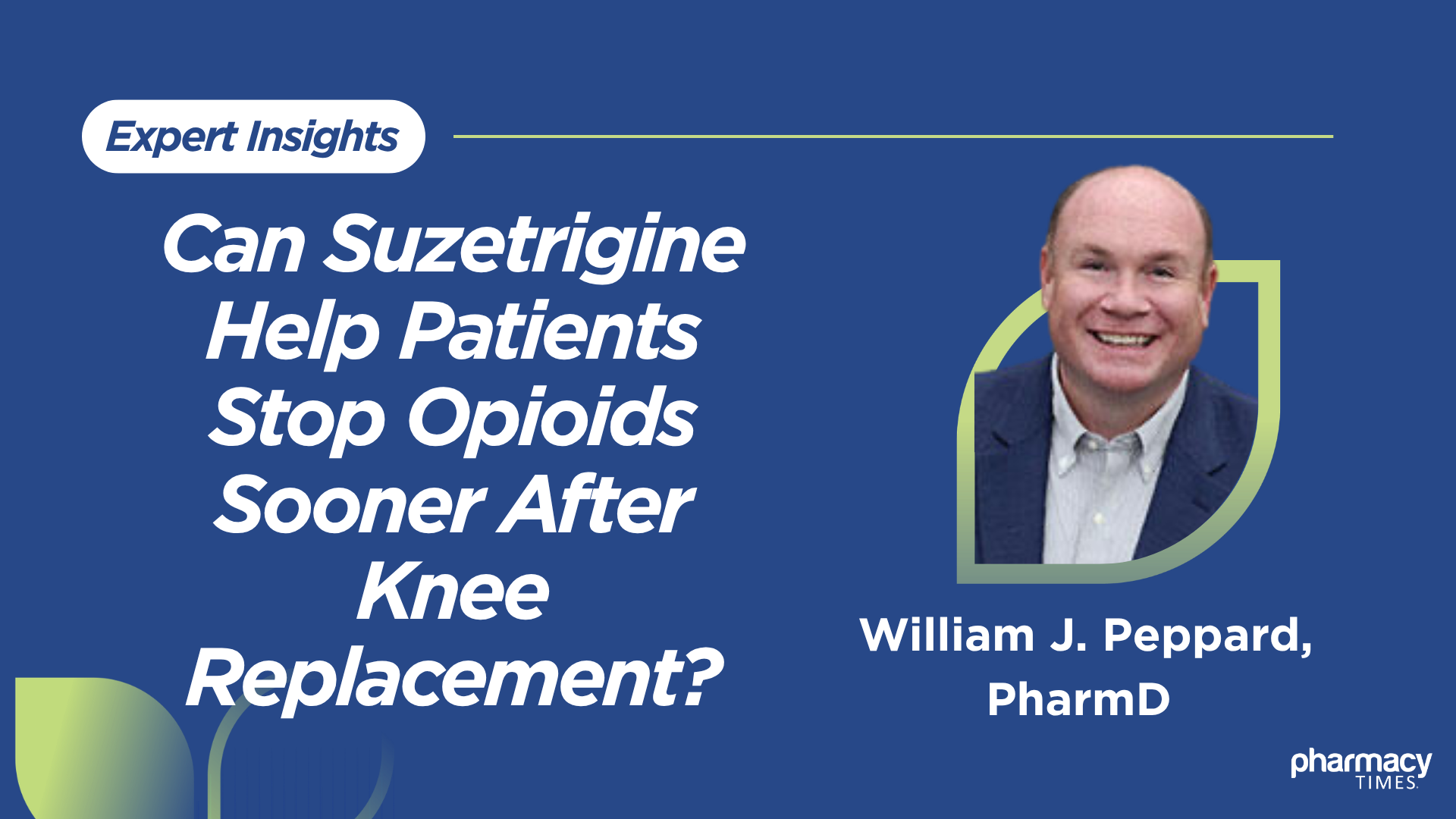
In an interview with Pharmacy Times, William J. Peppard, PharmD, pain stewardship coordinator at Froedtert & the Medical College of Wisconsin and coauthor of a retrospective suzetrigine study, discusses findings suggesting that the nonopioid medication could help reduce postoperative opioid prescribing after total knee arthroplasty.
The US Food and Drug Administration (FDA) has issued a Class II recall for exenatide injection due to a defective drug delivery system, affecting 5694 pens.

Learn how to check recall notices, lot codes and FDA and USDA alerts before eating recalled foods.
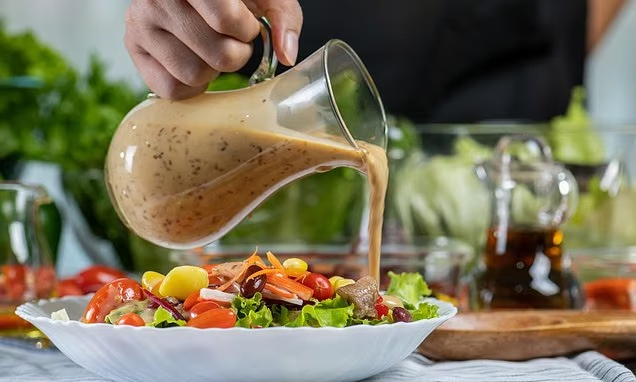
The recall of a salad dressing sold across multiple states have been classed as the FDA's highest risk level over fears of contamination with a deadly bacteria.

The emerging Fabry disease market landscape holds a diverse range of therapeutic alternatives for treatment, including Venglustat (Sanofi Genzyme), Lucerastat (Idorsia Pharmaceuticals), Isaralgagene civaparvovec (ST-920; Sangamo Therapeutics), AMT-191 (UniQure), AL1211 (AceLink...
React19 reviewed free-text entries submitted to the CDC’s V-safe vaccine safety monitoring program to document reports in which participants asked for help, described suicidal thoughts, reported that they were dying or nearly died, or reported a death, and to document what participants said about the response they received. CDC V-safe free-text survey responses were produced under FOIA request 24-01322 and published by the Informed Consent Action Network (ICAN) at icandecide.org/v-safe-data. The CDC released the data in twelve interim and final tranches. This audit uses ICAN’s updated files, which add the survey type, response ID, and response date to each entry....
Most breast cancers are diagnosed in women with no family history of the disease and new data shows many women are aware of lifestyle changes that could lower their risk but are not making them. The American Cancer Society estimates more than 30 percent of breast cancers are considered preventable through certain healthy choices. "About 85 percent of breast cancers are actually diagnosed among women who don't have a family history," Alpa Patel with the American Cancer Society said. The new data found that awareness does not always translate into action. "About 9 out of 10 women surveyed knew that physical activity was important to lowering their cancer risk, but only about 27 percent of the population actually was meeting the American Cancer Society guidelines," Patel said. The American Cancer Society recommends 150 to 300 minutes of moderate-intensity activity like a brisk walk or 75 to 150 minutes of vigorous activity like running, every week to support health and reduce cancer risk. Alcohol use also raises breast cancer risk and a majority of women surveyed reported drinking to some extent. The least-known protective factor, according to the organization, is breastfeeding. Only about half of women surveyed knew it can help lower cancer risk. A free online tool called ACS Cancer Risk 360 is available to help women understand their personal risk level. "It's a great tool. To really have an understanding about what your risk level is and where there are opportunities to lower that risk," Patel said. Permalink | Comments
In an interview with Pharmacy Times, William J. Peppard, PharmD, pain stewardship coordinator at Froedtert & the Medical College of Wisconsin and coauthor of a retrospective suzetrigine study, discusses findings suggesting that the nonopioid medication could help reduce postoperative opioid prescribing after total knee arthroplasty.
The recall of a salad dressing sold across multiple states have been classed as the FDA's highest risk level over fears of contamination with a deadly bacteria.
The emerging Fabry disease market landscape holds a diverse range of therapeutic alternatives for treatment, including Venglustat (Sanofi Genzyme), Lucerastat (Idorsia Pharmaceuticals), Isaralgagene civaparvovec (ST-920; Sangamo Therapeutics), AMT-191 (UniQure), AL1211 (AceLink...
React19 reviewed free-text entries submitted to the CDC’s V-safe vaccine safety monitoring program to document reports in which participants asked for help, described suicidal thoughts, reported that they were dying or nearly died, or reported a death, and to document what participants said about the response they received. CDC V-safe free-text survey responses were produced under FOIA request 24-01322 and published by the Informed Consent Action Network (ICAN) at icandecide.org/v-safe-data. The CDC released the data in twelve interim and final tranches. This audit uses ICAN’s updated files, which add the survey type, response ID, and response date to each entry....