Mother left weighing four stone after her stomach stops working - as UK hospitals charge £675 for life-saving feeding treatment
Emilie Cullum first became ill after throwing up her breakfast cereal - and has been unable to hold food down since
Browse recent medication, recall, and health-related stories.
Page 36 of 51

Emilie Cullum first became ill after throwing up her breakfast cereal - and has been unable to hold food down since

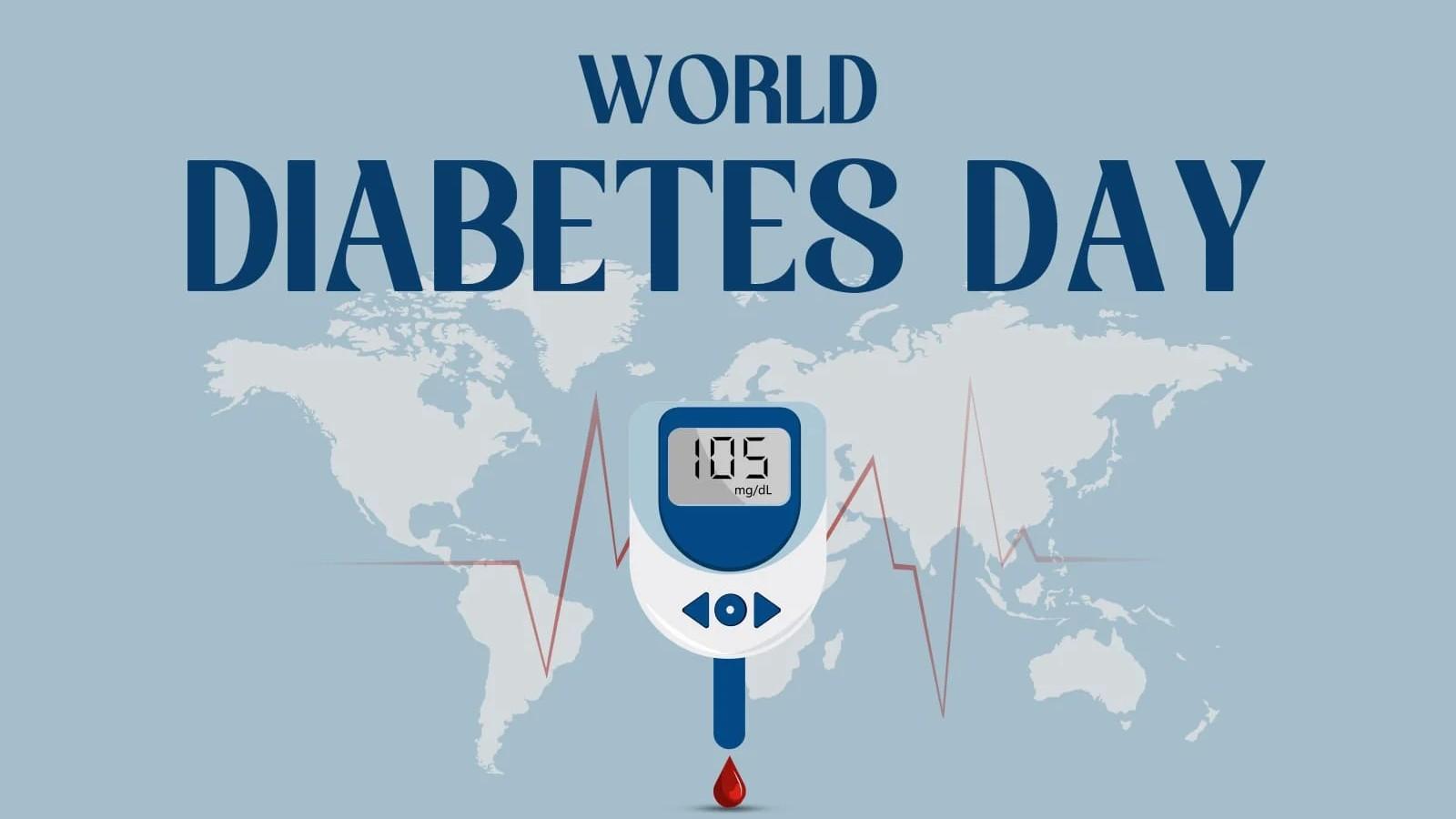
World Diabetes Day is observed every year on November 14 to raise awareness about diabetes, its prevention and the importance of timely treatment. The theme for 2026–2027, 'Early Action on Diabetes', highlights the need to identify the condition at an early stage rather than waiting for symptoms or complications to appear.

The acceleration of change for healthcare delivery systems is unprecedented. All previous projections are being shattered every day. Amidst this, a subset of Digital Health - Digital therapeutics (DTx) is taking centre stage, largely because they are evidence-based solutions that fill the healthcare delivery need gap in the current scenario worldwide. Digital therapeutics are software-based solutions and help prevent, manage or even reverse some chronic conditions like Diabetes, which may be poorly addressed by the healthcare system today. For many of these conditions, though lifestyle therapy is the recommended first-line therapy, adoption is low due to a lack of data to prove its efficacy. Though DTx has been around in the west for almost a decade, now the evidence is emerging from India to demonstrate its value in clinical terms. The Diabefly digital therapeutics program for Diabetes has shown excellent outcomes often surpassing the outcomes shown with only medical therapy. 90% of the patients had better blood sugar control often lowering the HbA1c (a marker of 3month average blood sugar) by 1 point and 30% of the patients achieved partial or complete diabetes reversal. How Digital therapeutics is helping patients, doctors and employers1. Improving outcomes2. Helping the patient make behaviour and lifestyle changes3. Ensuring compliance and adherence4. Improving access to holistic care5. Saving money & time6. Data for research and publicationInvestments in DTx prove its adoptionAs per the research done by UnivDatos Market Insights, the Global Digital Therapeutics Market is expected to grow at a CAGR of 24.5 per cent from 2021-2027 to reach US$ 13 billion by 2027. The Mckinsey White Paper says that Investments in digital-therapeutics companies in the United States have grown by an average of 40 per cent a year over the past seven years to reach more than $1 billion in 2018. As per Forbes, the Biggest Digital Health Deal of All Time: Teladoc and Livongo, Teladoc acquires Livongo for 18.5 billion USD in Aug 2020Fitterfly, an Indian Digital therapeutics company, raised 3.1 million USD pre-series A round led by Fireside Ventures in March 2021. Wellthy Therapeutics had raised 4 million USD in March 2020.US payers are now covering DTx in their health plansA big switch in the reimbursement landscape has been observed after two major Pharmacy benefits management (PBMs) - CVS Caremark and Express Scripts with a market share of 53 per cent in the United States now support DTx in health plans. This coverage has been welcomed by the US pharmacy and therapeutics industry at large. Findings of Decision Resources Group (DRG) survey conducted on 157 US P&T (United States Pharmacy and Therapeutics) committee members showed that around 50 per cent of the members agreed that 'Digital therapeutics is the future healthcare approach.' On the whole, 70 per cent of formulary decision-makers covered or intended to cover DTx in health plans. According to the study conducted by the decision resources group in January 2021, overall, 44 per cent of physicians showed interest in prescribing medical apps for patients. The proportion increased to 52 per cent among physicians who are active P&T committee members. The Bain.com insights indicated that more than 60 per cent of insurance customers expressed interest in having their insurers offer healthcare services beyond their standard insurance offerings - Survey of 172,000 customers in 20 countries. While we are still working on proving our cost savings model at Fitterfly, there have been several proven models internationally. Well doc, a DTx company - Economic analysis conducted in partnership with IBM Watson Health - Average cost savings of $254-$271 per user per month. Omada- A USA based DTx company showed savings in medical costs of about 500$ per participant per year for diabetes. Employers time to recoup their investment - 6-24 months. Better Therapeutics showed estimated cost savings of $145 per patient per month (PPPM) in diabetes, and $97 PPPM in hypertension, a reduction of 22-29 per cent in total medical costs. ConclusionWe believe that Digital therapeutics will be the innovation in Healthtech and healthcare and will cause real disruption in the next decade. DTx will be the patient’s closest buddy to help with behaviour change for sustainable health outcomes. Digital therapeutics will also win the trust of the doctors who often struggle with time and provide overall support to their patients on lifestyle therapy. For Pharma companies, the DTx programs can win them loyalty from doctors and better therapy adherence from patients. For employers, the age of discounts will transition over to the outcome-driven approach which DTx offers while increasing productivity, engagement and decreasing the spending on healthcare.DTx is emerging as the first port of call for many health conditions and in future, we would see three types of models:- DTx as first-line therapy or monotherapy: Conditions like obesity, diabetes, PCOS, hypertension, depression, anxiety, addictions.- DTx as a therapeutic adjunct to pharma drugs: Neurological conditions, progressive diabetes, late-stage hypertension, heart disease, asthma, COPD.- DTx as supportive therapy to other therapies: Cancers, dermatology, immunological disorders.

Non-communicable diseases (NCDs) accounted for 66 per cent of deaths as per the survey carried out by the Indian Council of Medical Research (ICMR) in 12 tribal districts of India. Following NCDs, infectious diseases caused 15 per cent and injuries caused 11 per cent of the maximum deaths, revealed the ICMR survey. In the survey, over 5,000 family members of deceased tribal members were interviewed between 2015 and 2018. Researchers also found that a majority of tribals, around 70 per cent died at home. This in turn signals lacking awareness among tribal members regarding health problems, along with a dearth of healthcare infrastructure in tribal districts of the country. The report further stated that cardiovascular diseases were the leading cause of death in 10 of the 12 sites. In East Garo Hills (18 per cent) and Lunglei (26 per cent), neoplasms were the leading cause of death. ASRD due to NCD ranged from 426 in Kinnaur to 756 per 100,000 in East Garo Hills. The International Classification of Diseases-10 classification was used to assign the cause of death, and the proportions of causes of death were analyzed. The age-standardized death rate (ASRD) was also estimated. The survey also revealed that of the deceased tribal members, 29 per cent had history of high blood pressure, a major risk factor for cardiovascular diseases. In addition, 17 per cent of the deceased tribal members had chronic respiratory disease or asthma, 12 per cent had a stroke, 11 per cent had heart disease, 10 per cent had cancer, and 9 per cent had diabetes.
AstraZeneca said on Friday it has sued the U.S. government to block parts of a program that gives the Medicare health insurance plan the power to negotiate lower drug prices. The British drugmaker, which filed its complaint in a Delaware district court, joins other drugmakers and business groups claiming that the program would restrict the development of new medicines. The program faces at least seven other court challenges, including from leading industry group PhRMA and drugmakers Johnson & Johnson, Merck & Co, Bristol Myers Squibb and privately-held Boehringer Ingelheim. The drug price negotiation program is part of President Joe Biden's signature Inflation Reduction Act (IRA).AstraZeneca said it was filing the legal challenge to "protect timely access to medicines for orphan indications" in the United States. The U.S. government offers several incentives to develop treatments that target orphan indications or rare conditions once they are launched in the market. AstraZeneca said the program would deter continued development of treatments such as its cancer drug Lynparza and rare blood disorder drug Soliris, which carry orphan drug status for multiple conditions.(Reuters)
Diabetes In Children: Understanding The Types, Risk Factors And Treatment Advances BW Healthcare World Identifying diabetes type crucial for right treatment, say doctors The Times of India Type 1 diabetes; how early diagnosis, counselling can help children The Indian Express Beyond insulin injections: What growing up with diabetes really looks like Qazinform Early action for childhood diabetes Vietnam.vn
Bryson Makokha, a 17-year-old from Bungoma County living with a rare skin condition, has started treatment at Luton Hospital after Kenyans contributed more than KSh 5 million towards his care in less than 24 hours. Eric Omondi, who coordinated the fundraising, shared a video of the...

Granules India has announced that the U S Food & Drug Administration (USFDA) has granted approval for its Abbreviated New Drug Application (ANDA) for Bupropion Hydrochloride Extended-Release Tablets USP (SR) in strengths of 100 mg, 150 mg, and 200 mg. The ANDA was filed by Granules Pharmaceuticals, Inc. (GPI), a wholly owned subsidiary of Granules India. Bupropion Hydrochloride Extended-Release Tablets are bioequivalent and therapeutically equivalent to Wellbutrin SR Sustained-Release Tablets, a popular medication produced by GlaxoSmithKline LLC. This drug is widely prescribed for the treatment of major depressive disorder (MDD) and for the prevention of seasonal affective disorder (SAD).With this latest approval, Granules India has secured a total of 67 ANDA approvals from the USFDA, further strengthening its presence in the U.S. market. Commenting on the approval, Dr Krishna Prasad Chigurupati, Chairman and Managing Director of Granules India, said, "This ANDA approval marks a significant milestone in our journey to expand Granules’ presence in the U.S. market. Our continued focus on expanding our product portfolio in regulated markets like the U.S. ensures that we are meeting the growing healthcare needs of patients globally, while maintaining the highest standards of safety and efficacy."Granules India aims to enhance its product offerings in international markets, aligning with its goal of delivering high-quality, affordable healthcare solutions.

Brookhaven Town Supervisor Daniel J. Panico joined New York State Assemblywoman Jodi Giglio on Sunday, November 8, at Topgolf in Holtsville for Navigating the Journey, Ltd.’s 4th Annual Topgolf Fundraiser, Driving Home Recovery. The event brought together community members, local supporters and sponsors to raise funds and awareness for individuals and families affected by substance use and addiction. Navigating the Journey was founded by Ed Sweeting of News 12 and his wife, Karen, following the heartbreaking loss of their young daughter. Through their organization, the couple has dedicated themselves to helping individuals across Long Island access treatment, connect with peer support and find the resources needed to navigate their recovery. “Ed and Karen have turned an unimaginable personal loss into a mission to help others who are struggling with addiction,” said Supervisor Panico. “Their dedication to connecting people with treatment, support and hope is making a meaningful difference in our community. I was proud to join them and everyone who came out to support this important cause.” The fundraiser featured friendly Topgolf competition, a breakfast buffet, raffle baskets and sponsorship opportunities, providing attendees with an opportunity to enjoy a morning together while supporting the organization’s mission. Proceeds from the event will help Navigating the Journey continue providing transportation, peer support and recovery resources to individuals working toward healthier futures. Supervisor Panico thanked Ed and Karen Sweeting for their continued commitment to helping those affected by addiction, as well as the event’s sponsors, donors, volunteers and attendees for their generosity and support.
Dutch conglomerate Koninklijke Philips NV and its affiliates have asked a judge to dismiss claims from people, hospitals and health plans who say they suffered economic losses when the company recalled 5.5 million CPAP machines, which treat a breathing disorder called sleep apnea, over fears that they could expose users to toxic substances. In a motion filed Tuesday in federal court in Pittsburgh, Philips said that the plaintiffs, 112 individuals and 10 commercial entities seeking to represent classes of potentially millions of buyers nationwide, had no standing to sue because they did not claim that their devices had actually harmed them, and the company had offered to repair or replace the recalled devices for free. The plaintiffs seeking economic damages said that they would not have paid for the devices if they knew of the danger and that despite Philips' offer to repair or replace them, the recall had rendered them worthless. The Philips unit that sold the recalled products - Philips RS North America LLC, also known as Respironics - further argued in a separate motion that the plaintiffs' claims, brought under state consumer protection laws, were barred by the federal Food, Drug and Cosmetic Act, which gives the Food and Drug Administration authority to regulate medical devices. The motions do not address hundreds of other cases consolidated in the same mass tort litigation alleging personal injury or seeking medical monitoring for users of the recalled devices, which include continuous positive airway pressure (CPAP) machines and mechanical ventilators. Lead plaintiffs' lawyers said in a joint statement that the motions were without merit."On behalf of all affected consumers, we look forward to moving this litigation forward and holding Philips fully accountable for its egregious misconduct," they said. Philips recalled the devices in June 2021 over concern that foam used to dampen the machines' sound can degrade and emit toxic gases and small particles, which could irritate patients' airways and potentially cause serious health conditions including cancer. In addition to the standing and preemption arguments, the Dutch parent company on Tuesday sought to toss the economic loss claims on the grounds that it was outside the court's jurisdiction. The parent and several other corporate affiliates also argued that they were improperly named in the case because the plaintiffs had not linked them to Respironics' conduct. Philips has been replacing the foam in the recalled devices with silicone. In November it reported that some refurbished ventilators still have problems, including obstruction of airflow and persisting foam contamination in some.(Reuters)

World Diabetes Day is observed every year on November 14 to raise awareness about diabetes, its prevention and the importance of timely treatment. The theme for 2026–2027, 'Early Action on Diabetes', highlights the need to identify the condition at an early stage rather than waiting for symptoms or complications to appear.

The acceleration of change for healthcare delivery systems is unprecedented. All previous projections are being shattered every day. Amidst this, a subset of Digital Health - Digital therapeutics (DTx) is taking centre stage, largely because they are evidence-based solutions that fill the healthcare delivery need gap in the current scenario worldwide. Digital therapeutics are software-based solutions and help prevent, manage or even reverse some chronic conditions like Diabetes, which may be poorly addressed by the healthcare system today. For many of these conditions, though lifestyle therapy is the recommended first-line therapy, adoption is low due to a lack of data to prove its efficacy. Though DTx has been around in the west for almost a decade, now the evidence is emerging from India to demonstrate its value in clinical terms. The Diabefly digital therapeutics program for Diabetes has shown excellent outcomes often surpassing the outcomes shown with only medical therapy. 90% of the patients had better blood sugar control often lowering the HbA1c (a marker of 3month average blood sugar) by 1 point and 30% of the patients achieved partial or complete diabetes reversal. How Digital therapeutics is helping patients, doctors and employers1. Improving outcomes2. Helping the patient make behaviour and lifestyle changes3. Ensuring compliance and adherence4. Improving access to holistic care5. Saving money & time6. Data for research and publicationInvestments in DTx prove its adoptionAs per the research done by UnivDatos Market Insights, the Global Digital Therapeutics Market is expected to grow at a CAGR of 24.5 per cent from 2021-2027 to reach US$ 13 billion by 2027. The Mckinsey White Paper says that Investments in digital-therapeutics companies in the United States have grown by an average of 40 per cent a year over the past seven years to reach more than $1 billion in 2018. As per Forbes, the Biggest Digital Health Deal of All Time: Teladoc and Livongo, Teladoc acquires Livongo for 18.5 billion USD in Aug 2020Fitterfly, an Indian Digital therapeutics company, raised 3.1 million USD pre-series A round led by Fireside Ventures in March 2021. Wellthy Therapeutics had raised 4 million USD in March 2020.US payers are now covering DTx in their health plansA big switch in the reimbursement landscape has been observed after two major Pharmacy benefits management (PBMs) - CVS Caremark and Express Scripts with a market share of 53 per cent in the United States now support DTx in health plans. This coverage has been welcomed by the US pharmacy and therapeutics industry at large. Findings of Decision Resources Group (DRG) survey conducted on 157 US P&T (United States Pharmacy and Therapeutics) committee members showed that around 50 per cent of the members agreed that 'Digital therapeutics is the future healthcare approach.' On the whole, 70 per cent of formulary decision-makers covered or intended to cover DTx in health plans. According to the study conducted by the decision resources group in January 2021, overall, 44 per cent of physicians showed interest in prescribing medical apps for patients. The proportion increased to 52 per cent among physicians who are active P&T committee members. The Bain.com insights indicated that more than 60 per cent of insurance customers expressed interest in having their insurers offer healthcare services beyond their standard insurance offerings - Survey of 172,000 customers in 20 countries. While we are still working on proving our cost savings model at Fitterfly, there have been several proven models internationally. Well doc, a DTx company - Economic analysis conducted in partnership with IBM Watson Health - Average cost savings of $254-$271 per user per month. Omada- A USA based DTx company showed savings in medical costs of about 500$ per participant per year for diabetes. Employers time to recoup their investment - 6-24 months. Better Therapeutics showed estimated cost savings of $145 per patient per month (PPPM) in diabetes, and $97 PPPM in hypertension, a reduction of 22-29 per cent in total medical costs. ConclusionWe believe that Digital therapeutics will be the innovation in Healthtech and healthcare and will cause real disruption in the next decade. DTx will be the patient’s closest buddy to help with behaviour change for sustainable health outcomes. Digital therapeutics will also win the trust of the doctors who often struggle with time and provide overall support to their patients on lifestyle therapy. For Pharma companies, the DTx programs can win them loyalty from doctors and better therapy adherence from patients. For employers, the age of discounts will transition over to the outcome-driven approach which DTx offers while increasing productivity, engagement and decreasing the spending on healthcare.DTx is emerging as the first port of call for many health conditions and in future, we would see three types of models:- DTx as first-line therapy or monotherapy: Conditions like obesity, diabetes, PCOS, hypertension, depression, anxiety, addictions.- DTx as a therapeutic adjunct to pharma drugs: Neurological conditions, progressive diabetes, late-stage hypertension, heart disease, asthma, COPD.- DTx as supportive therapy to other therapies: Cancers, dermatology, immunological disorders.

Non-communicable diseases (NCDs) accounted for 66 per cent of deaths as per the survey carried out by the Indian Council of Medical Research (ICMR) in 12 tribal districts of India. Following NCDs, infectious diseases caused 15 per cent and injuries caused 11 per cent of the maximum deaths, revealed the ICMR survey. In the survey, over 5,000 family members of deceased tribal members were interviewed between 2015 and 2018. Researchers also found that a majority of tribals, around 70 per cent died at home. This in turn signals lacking awareness among tribal members regarding health problems, along with a dearth of healthcare infrastructure in tribal districts of the country. The report further stated that cardiovascular diseases were the leading cause of death in 10 of the 12 sites. In East Garo Hills (18 per cent) and Lunglei (26 per cent), neoplasms were the leading cause of death. ASRD due to NCD ranged from 426 in Kinnaur to 756 per 100,000 in East Garo Hills. The International Classification of Diseases-10 classification was used to assign the cause of death, and the proportions of causes of death were analyzed. The age-standardized death rate (ASRD) was also estimated. The survey also revealed that of the deceased tribal members, 29 per cent had history of high blood pressure, a major risk factor for cardiovascular diseases. In addition, 17 per cent of the deceased tribal members had chronic respiratory disease or asthma, 12 per cent had a stroke, 11 per cent had heart disease, 10 per cent had cancer, and 9 per cent had diabetes.
AstraZeneca said on Friday it has sued the U.S. government to block parts of a program that gives the Medicare health insurance plan the power to negotiate lower drug prices. The British drugmaker, which filed its complaint in a Delaware district court, joins other drugmakers and business groups claiming that the program would restrict the development of new medicines. The program faces at least seven other court challenges, including from leading industry group PhRMA and drugmakers Johnson & Johnson, Merck & Co, Bristol Myers Squibb and privately-held Boehringer Ingelheim. The drug price negotiation program is part of President Joe Biden's signature Inflation Reduction Act (IRA).AstraZeneca said it was filing the legal challenge to "protect timely access to medicines for orphan indications" in the United States. The U.S. government offers several incentives to develop treatments that target orphan indications or rare conditions once they are launched in the market. AstraZeneca said the program would deter continued development of treatments such as its cancer drug Lynparza and rare blood disorder drug Soliris, which carry orphan drug status for multiple conditions.(Reuters)
Diabetes In Children: Understanding The Types, Risk Factors And Treatment Advances BW Healthcare World Identifying diabetes type crucial for right treatment, say doctors The Times of India Type 1 diabetes; how early diagnosis, counselling can help children The Indian Express Beyond insulin injections: What growing up with diabetes really looks like Qazinform Early action for childhood diabetes Vietnam.vn
Bryson Makokha, a 17-year-old from Bungoma County living with a rare skin condition, has started treatment at Luton Hospital after Kenyans contributed more than KSh 5 million towards his care in less than 24 hours. Eric Omondi, who coordinated the fundraising, shared a video of the...

Granules India has announced that the U S Food & Drug Administration (USFDA) has granted approval for its Abbreviated New Drug Application (ANDA) for Bupropion Hydrochloride Extended-Release Tablets USP (SR) in strengths of 100 mg, 150 mg, and 200 mg. The ANDA was filed by Granules Pharmaceuticals, Inc. (GPI), a wholly owned subsidiary of Granules India. Bupropion Hydrochloride Extended-Release Tablets are bioequivalent and therapeutically equivalent to Wellbutrin SR Sustained-Release Tablets, a popular medication produced by GlaxoSmithKline LLC. This drug is widely prescribed for the treatment of major depressive disorder (MDD) and for the prevention of seasonal affective disorder (SAD).With this latest approval, Granules India has secured a total of 67 ANDA approvals from the USFDA, further strengthening its presence in the U.S. market. Commenting on the approval, Dr Krishna Prasad Chigurupati, Chairman and Managing Director of Granules India, said, "This ANDA approval marks a significant milestone in our journey to expand Granules’ presence in the U.S. market. Our continued focus on expanding our product portfolio in regulated markets like the U.S. ensures that we are meeting the growing healthcare needs of patients globally, while maintaining the highest standards of safety and efficacy."Granules India aims to enhance its product offerings in international markets, aligning with its goal of delivering high-quality, affordable healthcare solutions.

Brookhaven Town Supervisor Daniel J. Panico joined New York State Assemblywoman Jodi Giglio on Sunday, November 8, at Topgolf in Holtsville for Navigating the Journey, Ltd.’s 4th Annual Topgolf Fundraiser, Driving Home Recovery. The event brought together community members, local supporters and sponsors to raise funds and awareness for individuals and families affected by substance use and addiction. Navigating the Journey was founded by Ed Sweeting of News 12 and his wife, Karen, following the heartbreaking loss of their young daughter. Through their organization, the couple has dedicated themselves to helping individuals across Long Island access treatment, connect with peer support and find the resources needed to navigate their recovery. “Ed and Karen have turned an unimaginable personal loss into a mission to help others who are struggling with addiction,” said Supervisor Panico. “Their dedication to connecting people with treatment, support and hope is making a meaningful difference in our community. I was proud to join them and everyone who came out to support this important cause.” The fundraiser featured friendly Topgolf competition, a breakfast buffet, raffle baskets and sponsorship opportunities, providing attendees with an opportunity to enjoy a morning together while supporting the organization’s mission. Proceeds from the event will help Navigating the Journey continue providing transportation, peer support and recovery resources to individuals working toward healthier futures. Supervisor Panico thanked Ed and Karen Sweeting for their continued commitment to helping those affected by addiction, as well as the event’s sponsors, donors, volunteers and attendees for their generosity and support.
Dutch conglomerate Koninklijke Philips NV and its affiliates have asked a judge to dismiss claims from people, hospitals and health plans who say they suffered economic losses when the company recalled 5.5 million CPAP machines, which treat a breathing disorder called sleep apnea, over fears that they could expose users to toxic substances. In a motion filed Tuesday in federal court in Pittsburgh, Philips said that the plaintiffs, 112 individuals and 10 commercial entities seeking to represent classes of potentially millions of buyers nationwide, had no standing to sue because they did not claim that their devices had actually harmed them, and the company had offered to repair or replace the recalled devices for free. The plaintiffs seeking economic damages said that they would not have paid for the devices if they knew of the danger and that despite Philips' offer to repair or replace them, the recall had rendered them worthless. The Philips unit that sold the recalled products - Philips RS North America LLC, also known as Respironics - further argued in a separate motion that the plaintiffs' claims, brought under state consumer protection laws, were barred by the federal Food, Drug and Cosmetic Act, which gives the Food and Drug Administration authority to regulate medical devices. The motions do not address hundreds of other cases consolidated in the same mass tort litigation alleging personal injury or seeking medical monitoring for users of the recalled devices, which include continuous positive airway pressure (CPAP) machines and mechanical ventilators. Lead plaintiffs' lawyers said in a joint statement that the motions were without merit."On behalf of all affected consumers, we look forward to moving this litigation forward and holding Philips fully accountable for its egregious misconduct," they said. Philips recalled the devices in June 2021 over concern that foam used to dampen the machines' sound can degrade and emit toxic gases and small particles, which could irritate patients' airways and potentially cause serious health conditions including cancer. In addition to the standing and preemption arguments, the Dutch parent company on Tuesday sought to toss the economic loss claims on the grounds that it was outside the court's jurisdiction. The parent and several other corporate affiliates also argued that they were improperly named in the case because the plaintiffs had not linked them to Respironics' conduct. Philips has been replacing the foam in the recalled devices with silicone. In November it reported that some refurbished ventilators still have problems, including obstruction of airflow and persisting foam contamination in some.(Reuters)