SideFX
Log inGet started
SideFX

Track symptoms, monitor medications, and understand patterns in your health data. For personal use only — not medical advice.

Product

  • Dashboard
  • Reports
  • Log Symptom
  • Drug Search

Company

  • About
  • Sign up
  • Sign in

Legal

  • Privacy Policy
  • Terms of Service

© 2026 GermFx. All rights reserved.

Privacy·Terms·Contact

Health News

Browse recent medication, recall, and health-related stories.

Page 30 of 51

Sort news

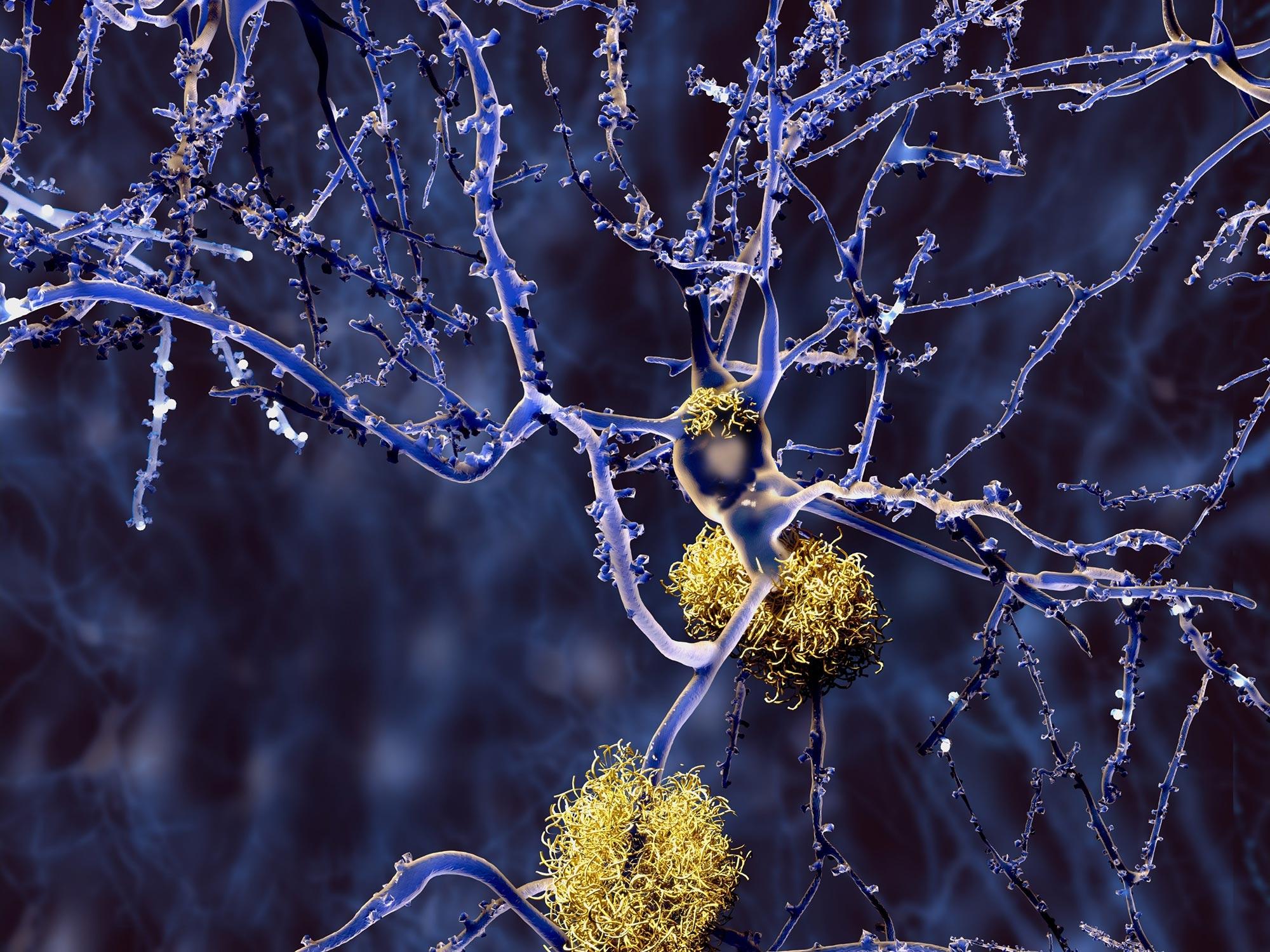
Alzheimer’s Breakthrough Reveals What Happens When the Brain’s Cleaning System Fails

A new study suggests that a little-understood genetic risk factor may influence Alzheimer’s progression by weakening the brain’s natural defenses against toxic plaques. A gene linked to Alzheimer’s disease may play a crucial role in protecting the brain from toxic protein buildup. Researchers at UVA Health have discovered that CASS4 helps immune cells contain harmful [...]

scitechdaily11/15/2026

Alzheimer’s Breakthrough Reveals What Happens When the Brain’s Cleaning System Fails

A new study suggests that a little-understood genetic risk factor may influence Alzheimer’s progression by weakening the brain’s natural defenses against toxic plaques. A gene linked to Alzheimer’s disease may play a crucial role in protecting the brain from toxic protein buildup. Researchers at UVA Health have discovered that CASS4 helps immune cells contain harmful [...]

Read article

Eric Omondi, Kenyans Raise Over KSh10 Million for Bryson's Skin Treatment, His Mother's Surgery

Through Eric Omondi's Sisi Kwa Sisi initiative, well-wishers have come through for Bryson Makokha and his mother, opening their wallets, and pouring in contributions that have now surpassed Sh10 million.

pulse_ke11/15/2026

Kenyans Raise Over KSh10 Million for Bryson's Skin Treatment, His Mother's Surgery

Through Eric Omondi's Sisi Kwa Sisi initiative, well-wishers have come through for Bryson Makokha and his mother, opening their wallets, and pouring in contributions that have now surpassed Sh10 million.

pulse_ke11/15/2026

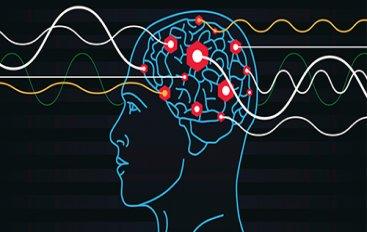
Networks In Brain Play Crucial Role In Suicide Risk: Study - BW Healthcare World

Researchers have identified key networks within the brain which they say play a crucial role in fostering a person to commit suicide. The study was published in the journal, 'Molecular Psychiatry.' The facts in relation to suicide are stark: 800,000 people die globally by suicide every year, the equivalent of one every 40 seconds. Suicide is the second leading cause of death globally among 15-29-year-olds. More adolescents die by suicide than from cancer, heart disease, AIDS, birth defects, stroke, pneumonia, influenza, and chronic lung disease combined. As many as one in three adolescents think about ending their lives and one in three of these will attempt suicide."Imagine having a disease that we knew killed almost a million people a year, a quarter of them before the age of thirty, and yet we knew nothing about why some individuals are more vulnerable to this disease," said the first author of the study, Dr Anne-Laura van Harmelen from the University of Cambridge."This is where we are with suicide. We know very little about what's happening in the brain, why there are sex differences, and what makes young people especially vulnerable to suicide," Laura added. The team of researchers in order to understand the study well carried out a review of two decades' worth of scientific literature relating to brain imaging studies of suicidal thoughts and behaviour. In total, they looked at 131 studies, which covered more than 12,000 individuals, looking at alterations in brain structure and function that might increase an individual's suicide risk. Combining the results from all of the brain imaging studies available, the team looked for evidence of structural, functional, and molecular alterations in the brain that could increase the risk of suicide. They identified two brain networks - and the connections between them - that appear to play an important role. The first of these networks involve areas towards the front of the brain known as the medial and lateral ventral prefrontal cortex and their connections to other brain regions involved in emotion. Alterations in this network may lead to excessive negative thoughts and difficulties regulating emotions, stimulating thoughts of suicide. The second network involves regions known as the dorsal prefrontal cortex and inferior frontal gyrus system. Alterations in this network may influence suicide attempt, in part, due to its role in decision making, generating alternative solutions to problems, and controlling behaviour. The majority of studies so far have been cross-sectional, meaning that they take a 'snapshot' of the brain, rather than looking over a period of time, and so can only relate to suicidal thoughts or behaviours in the past. The researchers say there is an urgent need for more research that looks at whether their proposed model relates to future suicide attempts and at whether any therapies are able to change the structure or function of these brain networks and thereby perhaps reduce suicide risk. (ANI)
Y

You likely have genes that affect how well your medications work – testing for them could improve treatment - Japan Today

You likely have genes that affect how well your medications work – testing for them could improve treatment Japan TodaySee more headlines and perspectives on Google News

google11/15/2026

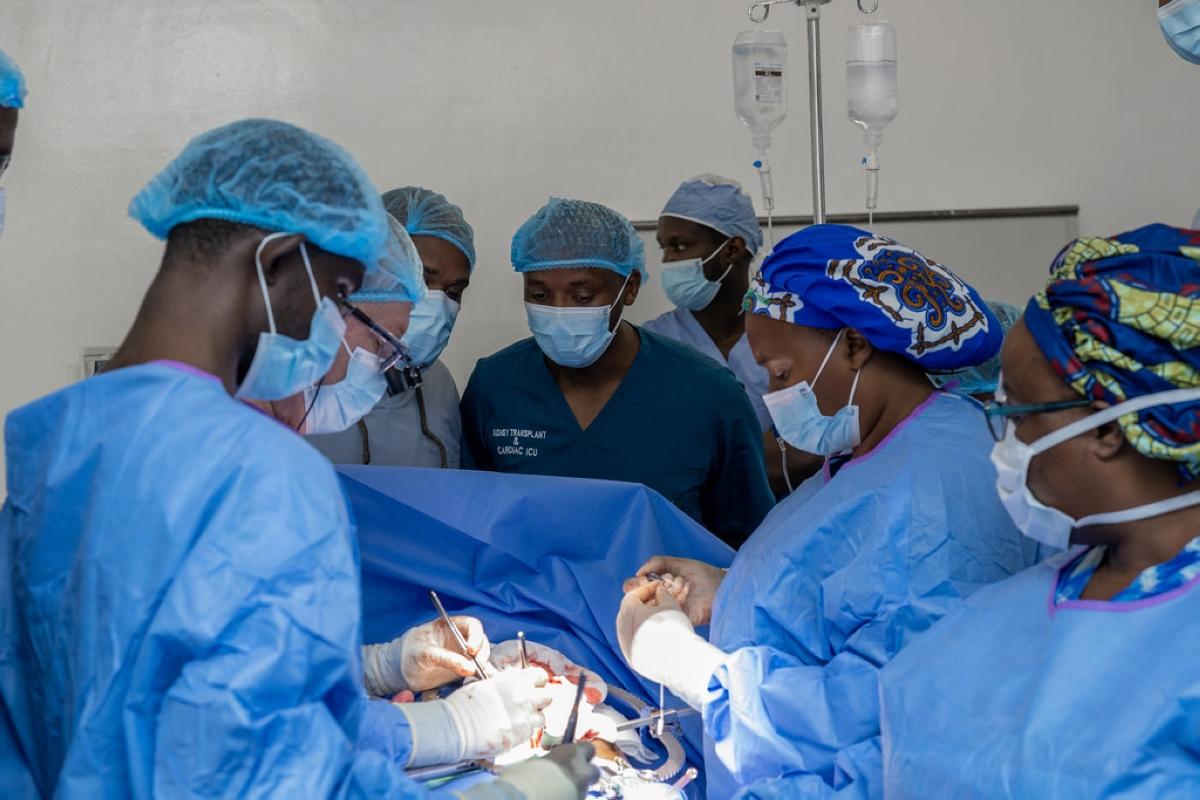
The surgeons helping Rwanda expand kidney transplant care

For Rwandans needing a kidney transplant, treatment once meant travelling abroad, leaving family behind and facing considerable financial and personal costs. A growing team of loca...

newtimes11/15/2026
F

Fewer Kansas kindergarten students get measles vaccine

Kansas has seen 14 cases of measles so far this year, avoiding the outbreaks being recorded in many states, even though measles vaccination rates for school kids dropped by four percentage points in the past five years.

ctnewsonline11/15/2026

Dallas Resident Walks Toward the White House Over Drug Prices

Don Daud left Dallas on Nov. 1 for a planned 1,400-mile walk to the White House, as a rare drop in drug prices meets stubborn household bills.

hoodline11/15/2026

Kidney Compass: FIND-CKD Finerenone Data in FSGS and Treatment Sequencing

Hiddo Heerspink, PharmD, PhD, joins Brendon Neuen, MBBS, PhD, and Shikha Wadhwani, MD, MS, to unpack finerenone’s FIND-CKD data in FSGS.

hcplive11/15/2026

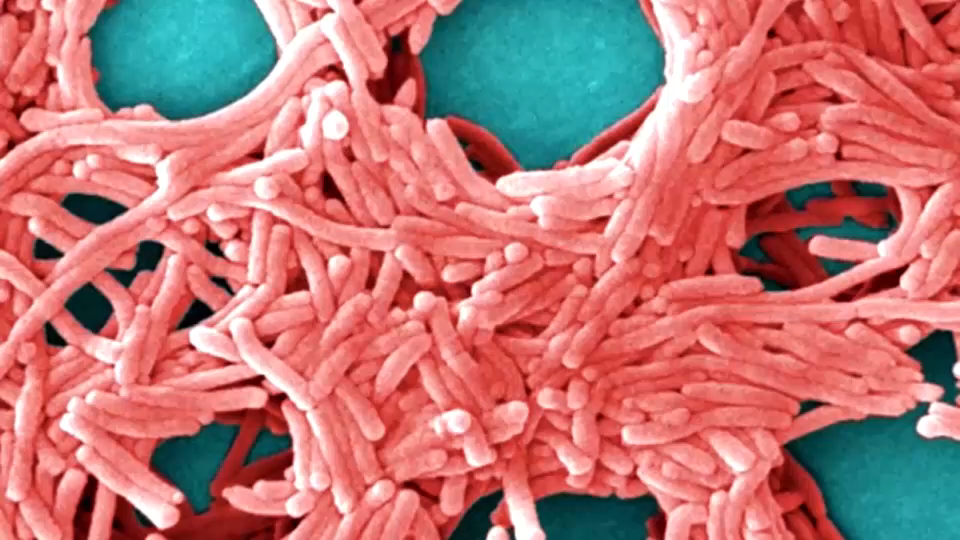
Harlem group reflects on Legionnaires' outbreaks

The Harlem Legionnaires' Task Force marked its first anniversary with a town hall examining recent Legionnaires' disease outbreaks and discussing strategies to prevent future cases.

abc7ny11/15/2026
← PreviousNext →
pulse_ke11/15/2026

Eric Omondi, Kenyans Raise Over KSh10 Million for Bryson's Skin Treatment, His Mother's Surgery

Through Eric Omondi's Sisi Kwa Sisi initiative, well-wishers have come through for Bryson Makokha and his mother, opening their wallets, and pouring in contributions that have now surpassed Sh10 million.

Read article
pulse_ke11/15/2026

Kenyans Raise Over KSh10 Million for Bryson's Skin Treatment, His Mother's Surgery

Through Eric Omondi's Sisi Kwa Sisi initiative, well-wishers have come through for Bryson Makokha and his mother, opening their wallets, and pouring in contributions that have now surpassed Sh10 million.

Read article
bwhealthcareworld11/15/2026

Networks In Brain Play Crucial Role In Suicide Risk: Study - BW Healthcare World

Researchers have identified key networks within the brain which they say play a crucial role in fostering a person to commit suicide. The study was published in the journal, 'Molecular Psychiatry.' The facts in relation to suicide are stark: 800,000 people die globally by suicide every year, the equivalent of one every 40 seconds. Suicide is the second leading cause of death globally among 15-29-year-olds. More adolescents die by suicide than from cancer, heart disease, AIDS, birth defects, stroke, pneumonia, influenza, and chronic lung disease combined. As many as one in three adolescents think about ending their lives and one in three of these will attempt suicide."Imagine having a disease that we knew killed almost a million people a year, a quarter of them before the age of thirty, and yet we knew nothing about why some individuals are more vulnerable to this disease," said the first author of the study, Dr Anne-Laura van Harmelen from the University of Cambridge."This is where we are with suicide. We know very little about what's happening in the brain, why there are sex differences, and what makes young people especially vulnerable to suicide," Laura added. The team of researchers in order to understand the study well carried out a review of two decades' worth of scientific literature relating to brain imaging studies of suicidal thoughts and behaviour. In total, they looked at 131 studies, which covered more than 12,000 individuals, looking at alterations in brain structure and function that might increase an individual's suicide risk. Combining the results from all of the brain imaging studies available, the team looked for evidence of structural, functional, and molecular alterations in the brain that could increase the risk of suicide. They identified two brain networks - and the connections between them - that appear to play an important role. The first of these networks involve areas towards the front of the brain known as the medial and lateral ventral prefrontal cortex and their connections to other brain regions involved in emotion. Alterations in this network may lead to excessive negative thoughts and difficulties regulating emotions, stimulating thoughts of suicide. The second network involves regions known as the dorsal prefrontal cortex and inferior frontal gyrus system. Alterations in this network may influence suicide attempt, in part, due to its role in decision making, generating alternative solutions to problems, and controlling behaviour. The majority of studies so far have been cross-sectional, meaning that they take a 'snapshot' of the brain, rather than looking over a period of time, and so can only relate to suicidal thoughts or behaviours in the past. The researchers say there is an urgent need for more research that looks at whether their proposed model relates to future suicide attempts and at whether any therapies are able to change the structure or function of these brain networks and thereby perhaps reduce suicide risk. (ANI)
Read article
Y
google11/15/2026

You likely have genes that affect how well your medications work – testing for them could improve treatment - Japan Today

You likely have genes that affect how well your medications work – testing for them could improve treatment Japan TodaySee more headlines and perspectives on Google News

Read article
newtimes11/15/2026

The surgeons helping Rwanda expand kidney transplant care

For Rwandans needing a kidney transplant, treatment once meant travelling abroad, leaving family behind and facing considerable financial and personal costs. A growing team of loca...

Read article
F
ctnewsonline11/15/2026

Fewer Kansas kindergarten students get measles vaccine

Kansas has seen 14 cases of measles so far this year, avoiding the outbreaks being recorded in many states, even though measles vaccination rates for school kids dropped by four percentage points in the past five years.

Read article
hoodline11/15/2026

Dallas Resident Walks Toward the White House Over Drug Prices

Don Daud left Dallas on Nov. 1 for a planned 1,400-mile walk to the White House, as a rare drop in drug prices meets stubborn household bills.

Read article
hcplive11/15/2026

Kidney Compass: FIND-CKD Finerenone Data in FSGS and Treatment Sequencing

Hiddo Heerspink, PharmD, PhD, joins Brendon Neuen, MBBS, PhD, and Shikha Wadhwani, MD, MS, to unpack finerenone’s FIND-CKD data in FSGS.

Read article
abc7ny11/15/2026

Harlem group reflects on Legionnaires' outbreaks

The Harlem Legionnaires' Task Force marked its first anniversary with a town hall examining recent Legionnaires' disease outbreaks and discussing strategies to prevent future cases.

Read article