SideFX
Log inGet started
SideFX

Track symptoms, monitor medications, and understand patterns in your health data. For personal use only — not medical advice.

Product

  • Dashboard
  • Reports
  • Log Symptom
  • Drug Search

Company

  • About
  • Sign up
  • Sign in

Legal

  • Privacy Policy
  • Terms of Service

© 2026 GermFx. All rights reserved.

Privacy·Terms·Contact

Health News

Browse recent medication, recall, and health-related stories.

Page 28 of 51

Sort news

Traditional Pneumonia Remedies Endanger Children’s Lives in Afghanistan

Several pediatric specialists have expressed concern about families, particularly in remote areas of Afghanistan, turning to traditional methods to treat pneumonia in children instead of seeing a doctor. They say that delays in visiting health facilities and the use of traditional methods instead of medical treatment can worsen the condition of children with the disease […] The post Traditional Pneumonia Remedies Endanger Children’s Lives in Afghanistan appeared first on Hasht-e Subh.

media_8am11/16/2026
media_8am11/16/2026

Traditional Pneumonia Remedies Endanger Children’s Lives in Afghanistan

Several pediatric specialists have expressed concern about families, particularly in remote areas of Afghanistan, turning to traditional methods to treat pneumonia in children instead of seeing a doctor. They say that delays in visiting health facilities and the use of traditional methods instead of medical treatment can worsen the condition of children with the disease […] The post Traditional Pneumonia Remedies Endanger Children’s Lives in Afghanistan appeared first on Hasht-e Subh.

Read article

Internal HSE report warned of ‘significant risk of unintended harm’ to patients over loss of stop-gap treatment waiting list

Ireland’s treatment waiting list has now exceeded one million patients

independent11/16/2026

Chinese Cities Ease Curbs - BW Healthcare World

More Chinese cities including Urumqi in the far west announced an easing of coronavirus curbs on Sunday as China tries to make its zero-COVID policy more targeted and less onerous after unprecedented protests against restrictions last weekend. Urumqi, the capital of the Xinjiang region and where the protests first erupted, will reopen malls, markets, restaurants and other venues from Monday, authorities said, ending strict lockdowns after months. There was no sign of any significant unrest this weekend, although police were out in force in the Liangmaqiao area of Beijing and in Shanghai around Wulumuqi Road, which is named after Urumqi. Both sites saw protests a week ago. A deadly fire last month in Urumqi sparked dozens of protests against COVID curbs in over 20 cities after some social media users said victims had been unable to escape the blaze because their apartment building was locked down. Authorities denied that. The protests were an unprecedented show of civil disobedience in mainland China since President Xi Jinping took power in 2012. In the days since, numerous cities have announced the easing of lockdowns, testing requirements, and quarantine rules. Vice Premier Sun Chunlan, who oversees COVID efforts, said last week the ability of the virus to cause disease was weakening - a change in messaging that aligns with what many health authorities around the world have said for more than a year. China is set to further announce a nationwide easing of testing requirements as well as allowing positive cases and close contacts to isolate at home under certain conditions, people familiar with the matter told Reuters last week.RULES LIFTEDFor the time being, steps to ease restrictions have varied across the country. From Monday, people in Shanghai will no longer have to show a negative COVID test to take public transport and visit parks, authorities announced on Sunday. Earlier on Sunday, the city of Nanning, capital of the southern region of Guangxi, cancelled a requirement for a negative COVID test to take the subway. On Saturday in Beijing, authorities said the purchase of fever, cough and sore throat medicines no longer required registration. The restriction had been imposed because authorities believed people were using the medication to hide COVID infections. Authorities in various districts in the capital have in recent days announced that people who test positive for the virus can quarantine at home. Some inconsistencies as the restrictions are eased have angered people, including a requirement in some places for a negative COVID test even though mass testing centres were closing. In Beijing and Wuhan city, where the virus first emerged in late 2019, that caused lengthy queues at the few remaining testing booths."Are they stupid or just plain mean?" one social media user asked. "We shouldn't shut down COVID testing stations until we get rid of the COVID test pass."New daily case numbers dropped nationwide to 31,824, authorities said on Sunday, which may be due in part to fewer people being tested. Authorities also reported two new COVID deaths.'PREPARING TO EXIT ZERO-COVID'Xi's zero-COVID policy has made China had a devastating impact on the world's second-largest economy and roiled global supply chains. China argues the policy, which has all-but-shut its borders to travel, is necessary to save lives and prevent the health care system from being overwhelmed. Despite the easing of restrictions, many experts said China was unlikely to begin significant reopening before March at the earliest, given the need to ramp up vaccinations, especially among its vast elderly population."Although there have been quite a few local changes to COVID policies lately, we do not interpret them as China abandoning zero-COVID policy just yet," Goldman Sachs said in a note on Sunday."Rather, we see them as clear evidence of the Chinese government preparing for an exit, and trying to minimize the economic and social cost of COVID control in the meantime. The preparations may last a few months and there are likely to be challenges along the way."Estimates for how many deaths China could see if it pivots to a full reopening have ranged from 1.3 million to more than 2 million, though some researchers said the death toll could be reduced sharply if there was a focus on vaccination. Authorities recently announced they would speed up COVID vaccinations for elderly people but many remain reluctant to get the jab."Some people have doubts about the safety and effectiveness of the country's new coronavirus vaccine," an article in the ruling Communist Party's official People's Daily said on Sunday." Experts say this perception is wrong," it said, adding that domestically made vaccines were safe. Foreign COVID vaccines are not approved in China and Xi is unwilling to change that, U.S. Director of National Intelligence Avril Haines said on Saturday.(Reuters)

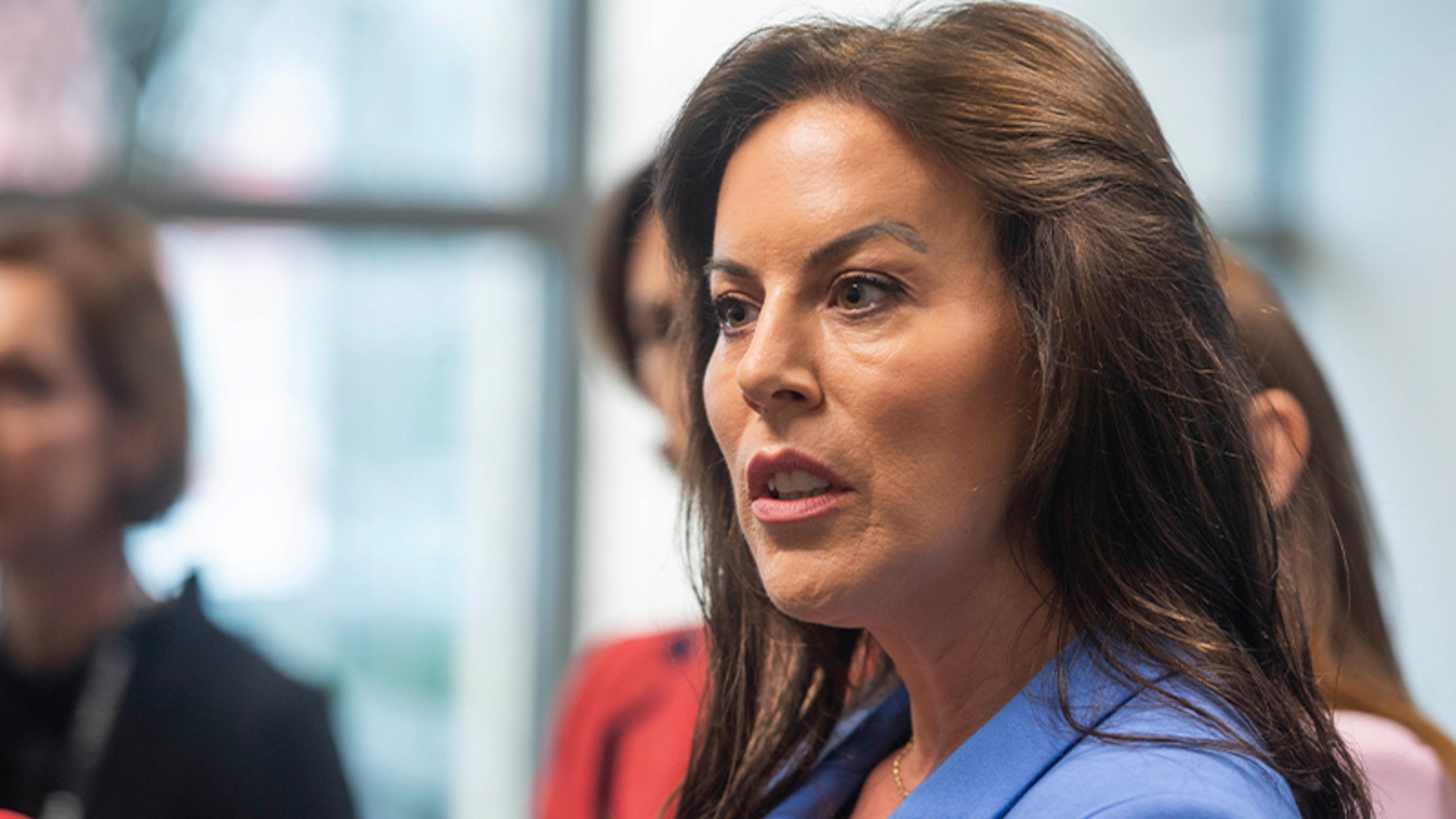
Mother-of-three graduates with nursing degree after cancer treatment

A mother-of-three who was diagnosed with breast cancer during her studies has graduated with a nursing degree at Paisley Abbey. Stacey Smith, from Ayr, completed her BSc in Adult Nursing at the University of the West of Scotland (UWS) after taking breaks for cancer treatment and the birth of her third child. She began the […]

renfrewshire24_co_uk11/16/2026

Council Bluffs woman meets stem cell donor for first time

Council Bluffs woman who received a stem cell transplant met her donor for the first time this week, after two years without knowing his name or seeing his face.

wowt11/16/2026
K

Klygefa (gefurulimab) approved in the US for the treatment of generalised myasthenia gravis (gMG) in adult patients

astrazeneca11/16/2026
C

CONNEQT grows US drug trial 50pc

theaustralian11/16/2026
C
K

Klygefa (gefurulimab) approved in the EU for the treatment of adults with generalised myasthenia gravis (gMG)

astrazeneca11/16/2026

HLB Therapeutics Hits Limit Low After U.S. Eye Drug Trial Misses Goal

HLB Therapeutics fell to its limit low after RGN-259 missed the primary endpoint in a U.S. Phase 3 trial for neurotrophic keratitis.

sedaily11/16/2026

Long Covid Can Impact Quality Of Life More Than Some Cancers: Study - BW Healthcare World

Fatigue is the symptom that most affects the daily lives of long COVID patients, and it can affect the quality of life more than some cancers, according to a new study. The study was led by researchers at UCL and the University of Exeter. The research, published in BMJ Open and funded by the National Institute for Health and Care Research (NIHR), examines the impact of long COVID on the lives of over 3,750 patients who were referred to a long COVID clinic and used a digital app as part of their NHS treatment for the condition. Patients were asked to complete questionnaires on the app about how long COVID was affecting them - considering the impact of long COVID on their day-to-day activities, levels of fatigue, depression, anxiety, breathlessness, brain fog, and their quality of life. The researchers discovered that many long-term Covid patients were extremely unwell and had fatigue scores that were worse or comparable to persons with cancer-related anaemia or severe kidney impairment. They also had lower health-related quality of life scores than those with advanced metastatic malignancies, such as stage IV lung cancer. Overall, the team found that the impact of long COVID on the daily activities of patients was worse than that of stroke patients and was comparable to that of patients with Parkinson's disease. Dr Henry Goodfellow, who co-led the study alongside the late Professor Elizabeth Murray (both UCL Institute of Epidemiology & Health), said: "Up to around 17 per cent of people who get COVID go on to develop long COVID. However, the impact of the condition on patients' day-to-day lives isn't fully understood."Our results have found that long COVID can have a devastating effect on the lives of patients - with fatigue having the biggest impact on everything from social activities to work, chores and maintaining close relationships."Not only does long COVID negatively impact the lives of patients on an individual level, the researchers also believe that it could have a significant economic and social impact on the country. In order to be referred to a long COVID clinic, a patient must have had symptoms in keeping with long COVID for at least 12 weeks after an acute infection. Over 90 per cent of long COVID patients using the app were of working age (18-65) and 51 per cent said they had been unable to work for at least one day in the previous month, with 20 per cent unable to work at all. Meanwhile, 71 per cent of patients were female. As working-age women make up a majority of the health and social care workforce, the impact of long COVID on their ability to function may add additional pressures to already stretched services. Dr Goodfellow said: "We hope that a greater understanding of the symptoms and impact of long COVID in these patients will help the NHS and policymakers to target limited resources by adapting existing services and designing new ones to better meet the needs of patients with long COVID."According to the Office for National Statistics, around 1.4 million people in the UK had symptoms of long COVID as of July 2022. Alongside fatigue, patients typically experience breathlessness, anxiety, depression and brain fog. However, this is the first study to report on the impact of the condition on day-to-day functioning and health-related quality of life in patients who have been referred for specialist rehabilitation in long COVID clinics across England. Dr Goodfellow said: "Our findings show that fatigue should be an important focus for clinical care and the design of rehabilitation services."Post-Covid assessment services should consider focusing on assessing and treating fatigue to maximise the recovery and return to work for sufferers of long COVID."Co-author Professor William Henley, of the University of Exeter Medical School, said: "Long COVID is an invisible condition, and many people are left trying to manage significant changes to how they can function. Shockingly, our research has revealed that long COVID can leave people with worse fatigue and quality of life than some cancers, yet the support and understanding is not at the same level. We urgently need more research to enable the development of evidence-based services to support people trying to manage this debilitating new condition." (ANI)

← PreviousNext →
independent11/16/2026

Internal HSE report warned of ‘significant risk of unintended harm’ to patients over loss of stop-gap treatment waiting list

Ireland’s treatment waiting list has now exceeded one million patients

Read article
bwhealthcareworld11/16/2026

Chinese Cities Ease Curbs - BW Healthcare World

More Chinese cities including Urumqi in the far west announced an easing of coronavirus curbs on Sunday as China tries to make its zero-COVID policy more targeted and less onerous after unprecedented protests against restrictions last weekend. Urumqi, the capital of the Xinjiang region and where the protests first erupted, will reopen malls, markets, restaurants and other venues from Monday, authorities said, ending strict lockdowns after months. There was no sign of any significant unrest this weekend, although police were out in force in the Liangmaqiao area of Beijing and in Shanghai around Wulumuqi Road, which is named after Urumqi. Both sites saw protests a week ago. A deadly fire last month in Urumqi sparked dozens of protests against COVID curbs in over 20 cities after some social media users said victims had been unable to escape the blaze because their apartment building was locked down. Authorities denied that. The protests were an unprecedented show of civil disobedience in mainland China since President Xi Jinping took power in 2012. In the days since, numerous cities have announced the easing of lockdowns, testing requirements, and quarantine rules. Vice Premier Sun Chunlan, who oversees COVID efforts, said last week the ability of the virus to cause disease was weakening - a change in messaging that aligns with what many health authorities around the world have said for more than a year. China is set to further announce a nationwide easing of testing requirements as well as allowing positive cases and close contacts to isolate at home under certain conditions, people familiar with the matter told Reuters last week.RULES LIFTEDFor the time being, steps to ease restrictions have varied across the country. From Monday, people in Shanghai will no longer have to show a negative COVID test to take public transport and visit parks, authorities announced on Sunday. Earlier on Sunday, the city of Nanning, capital of the southern region of Guangxi, cancelled a requirement for a negative COVID test to take the subway. On Saturday in Beijing, authorities said the purchase of fever, cough and sore throat medicines no longer required registration. The restriction had been imposed because authorities believed people were using the medication to hide COVID infections. Authorities in various districts in the capital have in recent days announced that people who test positive for the virus can quarantine at home. Some inconsistencies as the restrictions are eased have angered people, including a requirement in some places for a negative COVID test even though mass testing centres were closing. In Beijing and Wuhan city, where the virus first emerged in late 2019, that caused lengthy queues at the few remaining testing booths."Are they stupid or just plain mean?" one social media user asked. "We shouldn't shut down COVID testing stations until we get rid of the COVID test pass."New daily case numbers dropped nationwide to 31,824, authorities said on Sunday, which may be due in part to fewer people being tested. Authorities also reported two new COVID deaths.'PREPARING TO EXIT ZERO-COVID'Xi's zero-COVID policy has made China had a devastating impact on the world's second-largest economy and roiled global supply chains. China argues the policy, which has all-but-shut its borders to travel, is necessary to save lives and prevent the health care system from being overwhelmed. Despite the easing of restrictions, many experts said China was unlikely to begin significant reopening before March at the earliest, given the need to ramp up vaccinations, especially among its vast elderly population."Although there have been quite a few local changes to COVID policies lately, we do not interpret them as China abandoning zero-COVID policy just yet," Goldman Sachs said in a note on Sunday."Rather, we see them as clear evidence of the Chinese government preparing for an exit, and trying to minimize the economic and social cost of COVID control in the meantime. The preparations may last a few months and there are likely to be challenges along the way."Estimates for how many deaths China could see if it pivots to a full reopening have ranged from 1.3 million to more than 2 million, though some researchers said the death toll could be reduced sharply if there was a focus on vaccination. Authorities recently announced they would speed up COVID vaccinations for elderly people but many remain reluctant to get the jab."Some people have doubts about the safety and effectiveness of the country's new coronavirus vaccine," an article in the ruling Communist Party's official People's Daily said on Sunday." Experts say this perception is wrong," it said, adding that domestically made vaccines were safe. Foreign COVID vaccines are not approved in China and Xi is unwilling to change that, U.S. Director of National Intelligence Avril Haines said on Saturday.(Reuters)

Read article
renfrewshire24_co_uk11/16/2026

Mother-of-three graduates with nursing degree after cancer treatment

A mother-of-three who was diagnosed with breast cancer during her studies has graduated with a nursing degree at Paisley Abbey. Stacey Smith, from Ayr, completed her BSc in Adult Nursing at the University of the West of Scotland (UWS) after taking breaks for cancer treatment and the birth of her third child. She began the […]

Read article
wowt11/16/2026

Council Bluffs woman meets stem cell donor for first time

Council Bluffs woman who received a stem cell transplant met her donor for the first time this week, after two years without knowing his name or seeing his face.

Read article
K
astrazeneca11/16/2026

Klygefa (gefurulimab) approved in the US for the treatment of generalised myasthenia gravis (gMG) in adult patients

Read article
theaustralian11/16/2026

CONNEQT grows US drug trial 50pc

Read article
K
astrazeneca11/16/2026

Klygefa (gefurulimab) approved in the EU for the treatment of adults with generalised myasthenia gravis (gMG)

Read article
sedaily11/16/2026

HLB Therapeutics Hits Limit Low After U.S. Eye Drug Trial Misses Goal

HLB Therapeutics fell to its limit low after RGN-259 missed the primary endpoint in a U.S. Phase 3 trial for neurotrophic keratitis.

Read article
bwhealthcareworld11/16/2026

Long Covid Can Impact Quality Of Life More Than Some Cancers: Study - BW Healthcare World

Fatigue is the symptom that most affects the daily lives of long COVID patients, and it can affect the quality of life more than some cancers, according to a new study. The study was led by researchers at UCL and the University of Exeter. The research, published in BMJ Open and funded by the National Institute for Health and Care Research (NIHR), examines the impact of long COVID on the lives of over 3,750 patients who were referred to a long COVID clinic and used a digital app as part of their NHS treatment for the condition. Patients were asked to complete questionnaires on the app about how long COVID was affecting them - considering the impact of long COVID on their day-to-day activities, levels of fatigue, depression, anxiety, breathlessness, brain fog, and their quality of life. The researchers discovered that many long-term Covid patients were extremely unwell and had fatigue scores that were worse or comparable to persons with cancer-related anaemia or severe kidney impairment. They also had lower health-related quality of life scores than those with advanced metastatic malignancies, such as stage IV lung cancer. Overall, the team found that the impact of long COVID on the daily activities of patients was worse than that of stroke patients and was comparable to that of patients with Parkinson's disease. Dr Henry Goodfellow, who co-led the study alongside the late Professor Elizabeth Murray (both UCL Institute of Epidemiology & Health), said: "Up to around 17 per cent of people who get COVID go on to develop long COVID. However, the impact of the condition on patients' day-to-day lives isn't fully understood."Our results have found that long COVID can have a devastating effect on the lives of patients - with fatigue having the biggest impact on everything from social activities to work, chores and maintaining close relationships."Not only does long COVID negatively impact the lives of patients on an individual level, the researchers also believe that it could have a significant economic and social impact on the country. In order to be referred to a long COVID clinic, a patient must have had symptoms in keeping with long COVID for at least 12 weeks after an acute infection. Over 90 per cent of long COVID patients using the app were of working age (18-65) and 51 per cent said they had been unable to work for at least one day in the previous month, with 20 per cent unable to work at all. Meanwhile, 71 per cent of patients were female. As working-age women make up a majority of the health and social care workforce, the impact of long COVID on their ability to function may add additional pressures to already stretched services. Dr Goodfellow said: "We hope that a greater understanding of the symptoms and impact of long COVID in these patients will help the NHS and policymakers to target limited resources by adapting existing services and designing new ones to better meet the needs of patients with long COVID."According to the Office for National Statistics, around 1.4 million people in the UK had symptoms of long COVID as of July 2022. Alongside fatigue, patients typically experience breathlessness, anxiety, depression and brain fog. However, this is the first study to report on the impact of the condition on day-to-day functioning and health-related quality of life in patients who have been referred for specialist rehabilitation in long COVID clinics across England. Dr Goodfellow said: "Our findings show that fatigue should be an important focus for clinical care and the design of rehabilitation services."Post-Covid assessment services should consider focusing on assessing and treating fatigue to maximise the recovery and return to work for sufferers of long COVID."Co-author Professor William Henley, of the University of Exeter Medical School, said: "Long COVID is an invisible condition, and many people are left trying to manage significant changes to how they can function. Shockingly, our research has revealed that long COVID can leave people with worse fatigue and quality of life than some cancers, yet the support and understanding is not at the same level. We urgently need more research to enable the development of evidence-based services to support people trying to manage this debilitating new condition." (ANI)

Read article