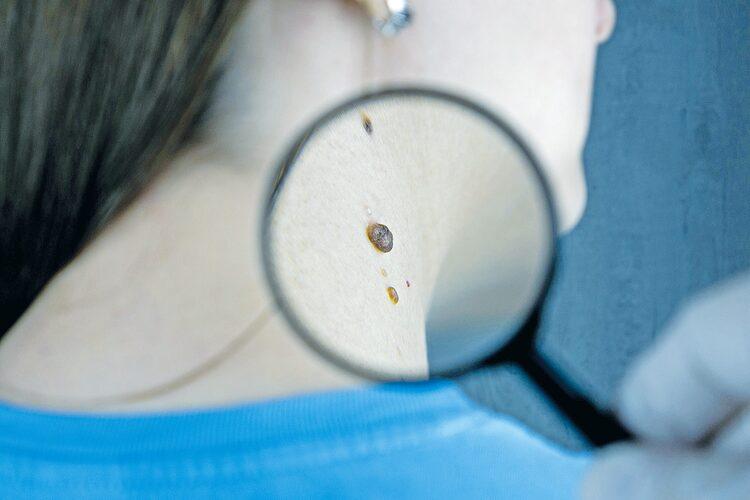
As the weather warms and thoughts turn to skin checks, Gippsland Melanoma and Skin Cancer Clinic is reminding locals that proper skin cancer care goes beyond a simple check.Skin cancer is a surgical disease, and most skin cancers need to be removed. Temporary measures such as freezing with liquid nitrogen, or chemotherapy creams and gels, often just delay the inevitable and can turn a small problem into a complicated one, the clinic says.Definitive treatment is surgical excision, with the removed skin sent to an expert pathologist who provides a proper diagnosis and determines whether further treatment is required. Topical creams and gels are only suitable for superficial, very early and fairly trivial lesions.Any skin blemish or sore that hangs about for more than a month without disappearing or healing needs to be removed and sent for analysis.The clinic warns that simple skin checks at chemists using computer-based machines tend to be commercial enterprises that can falsely report skin problems, with customers typically told to see a doctor. A proper clinical skin check should be done by an experienced specialist who can provide a full service from diagnosis and biopsy through to definitive treatment.All skin cancers of the head and neck — including special anatomical sites such as the scalp, face, nose, ears and eyelids - should be treated by a surgeon because of the technical complexity and the high risk of issues in non-expert hands, including cosmetic disfigurement. Cancers of the fingers, toes, palms and soles should also be treated by a specialist surgeon because of the high risk of wound complications.After-care is just as important, the clinic says, and patients should beware the practitioner who cuts out a lesion but fails to review the wound in the days after, or doesn't provide a written pathology report to keep.Only in a very few situations is a melanoma identified, and if excised early, that is all that is necessary - only a tiny proportion of melanomas go on to be life-threatening through spread to other parts of the body. The most common skin lesions tend to be squamous cell carcinomas and basal cell cancers, which are of no long-term concern if treated and excised early.Gippsland Melanoma and Skin Cancer Clinic is run by Mr Adrian Aitken MBBS, FRACS, PhD, a local specialist surgeon who has provided complete care from diagnosis to definitive treatment for over a decade. Patients can book through a GP referral. The post More than a skin check first appeared on Snowy River Mail .